Lafayette Consolidated Government (LCG) has recently unveiled the design for the Bertrand Drive Revitalization Project, setting the corridor into its next phase following months of public input.
Local input for the project began back in December 2024, with feedback from residents, business owners, and stakeholders to help shape the overall design.
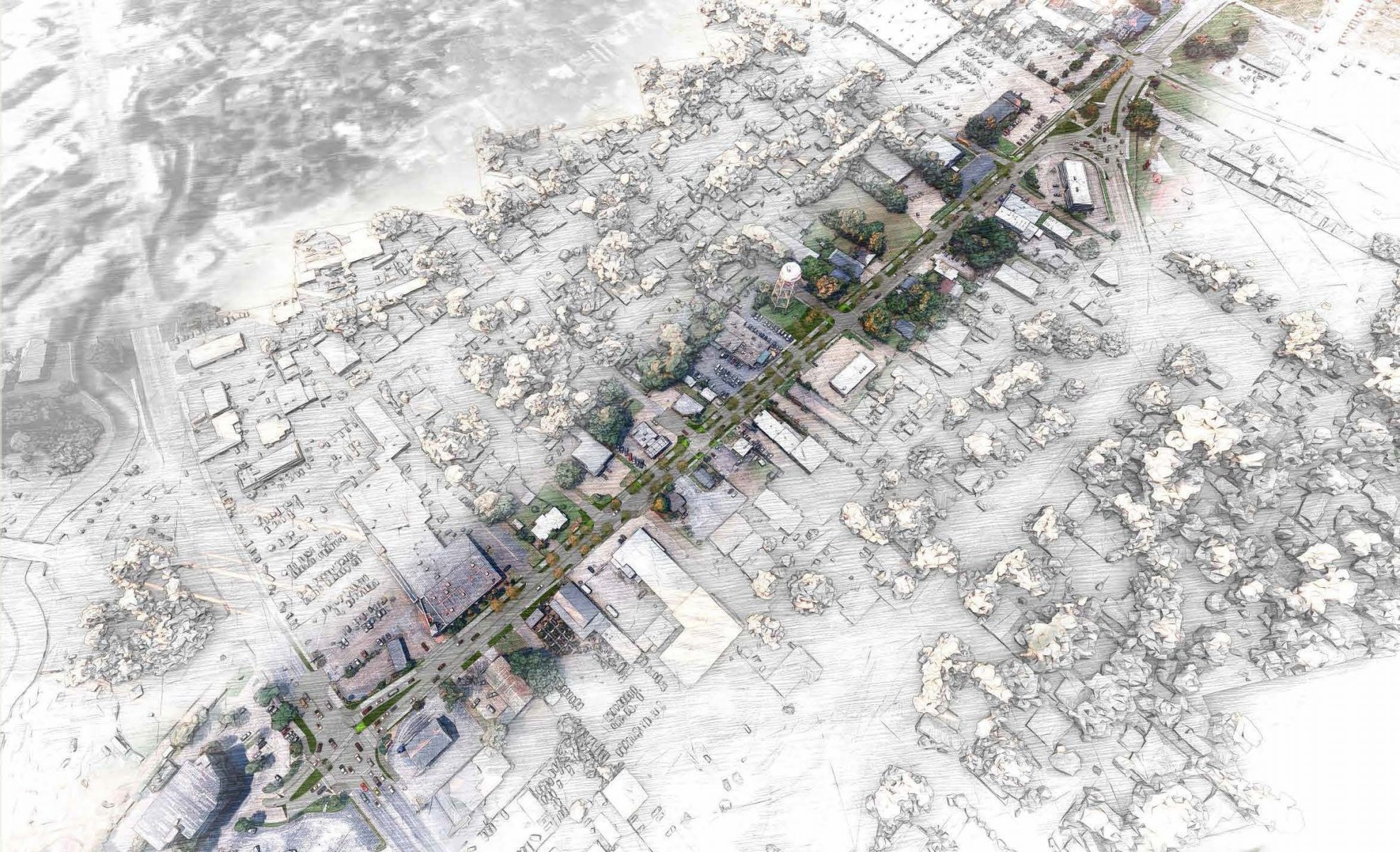
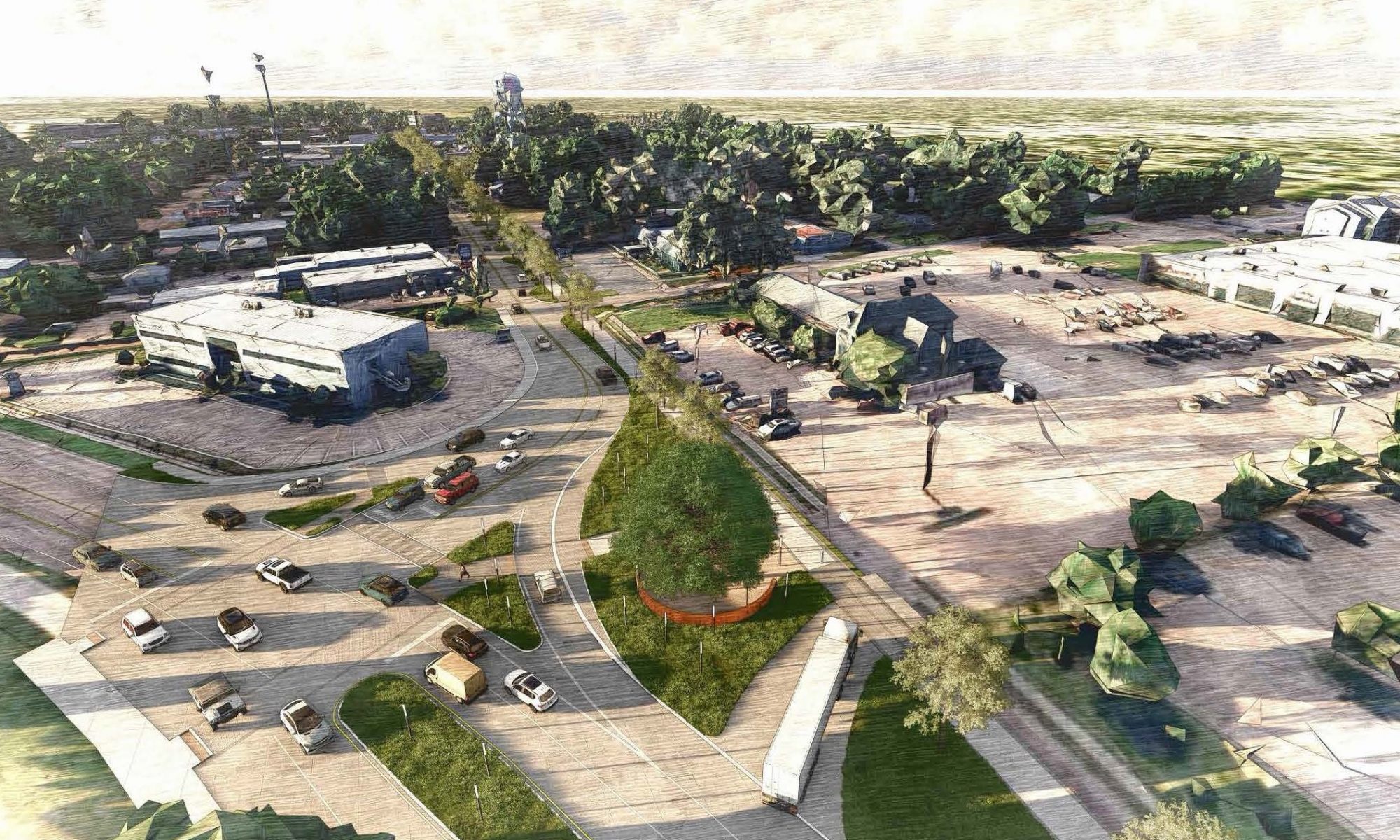
Full Length Rendering from Bertrand/N. College Split to Johnston Street
Bertrand Drive connects several of Lafayette’s most active areas, including Moncus Park, Cajun Field, the University of Louisiana at Lafayette, and surrounding neighborhoods and retail centers. The corridor has long been a heavily traveled route with a mix of vehicle traffic, pedestrian activity, and nearby commercial use.
The proposed improvements include a 12-foot shared-use path along the west side of Bertrand Drive and new 6-foot sidewalks along the east side. Additional elements include pedestrian safety features like bollards and mid-block crossings, traffic flow adjustments, drainage upgrades, underground communications infrastructure, and new streetscape features such as lighting, landscaping, and corridor identity elements.
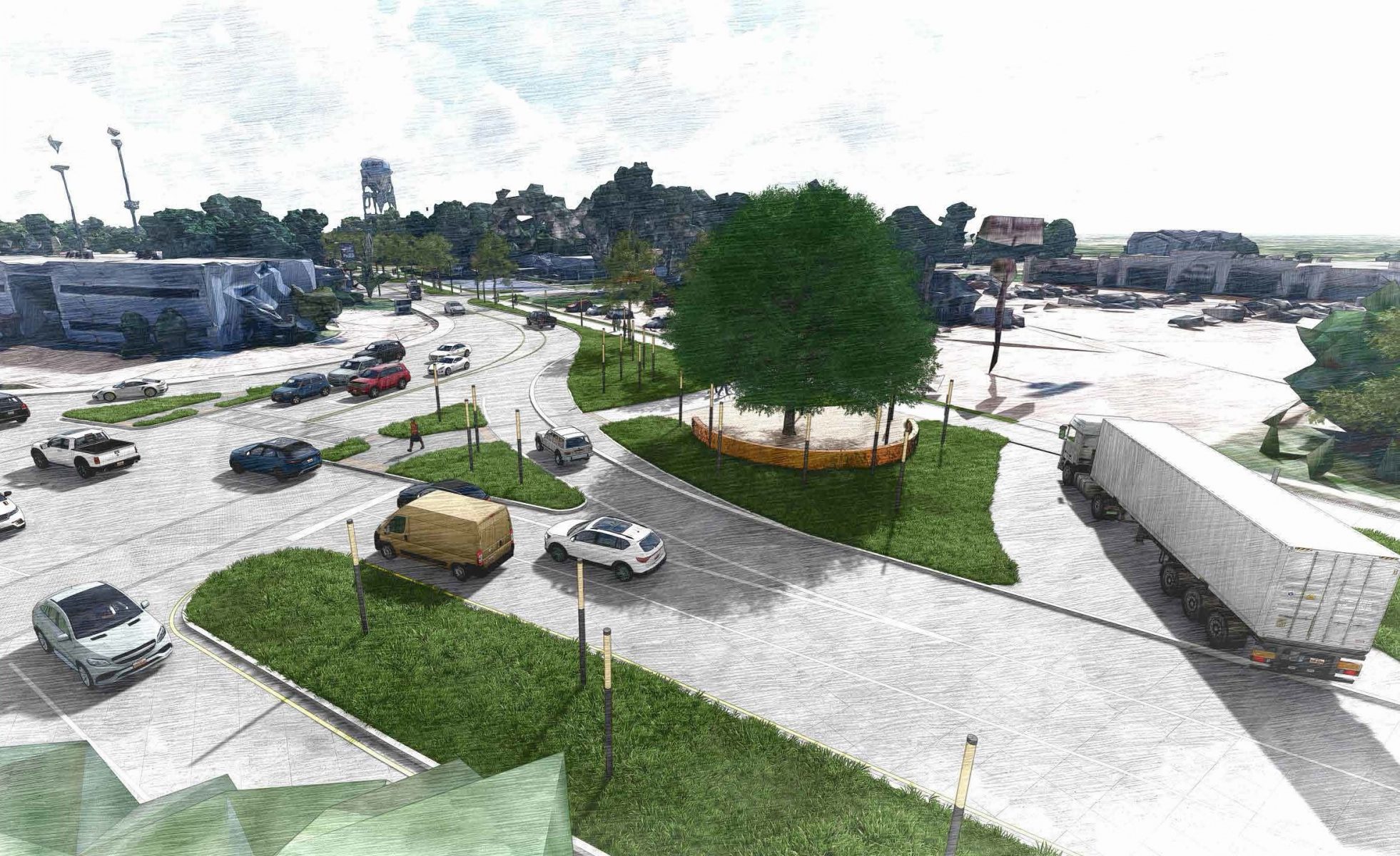
Midday Rendering (facing South-ish at Bertrand & N. College split)
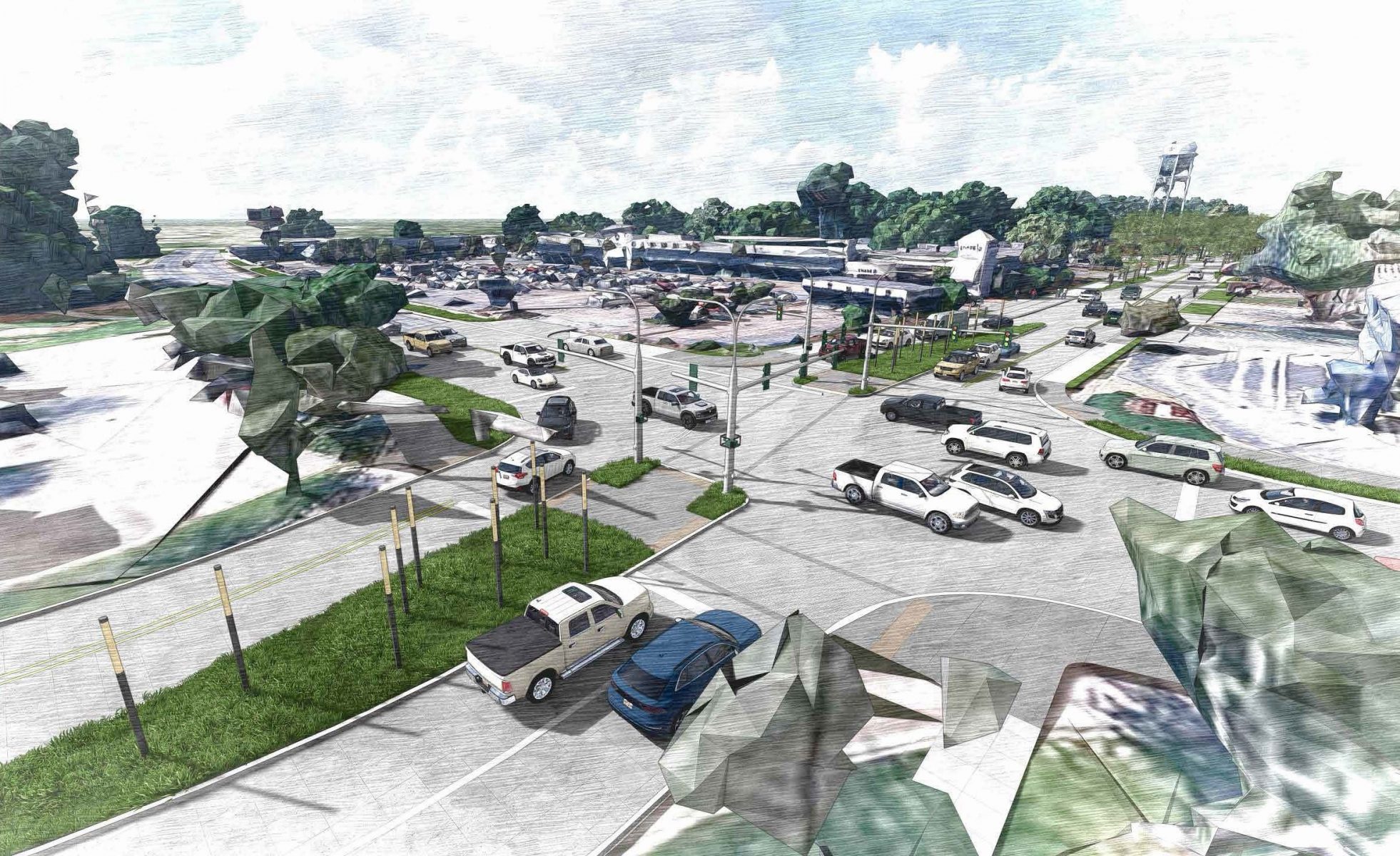
Midday Rendering (facing North-ish at Bertrand & Johnston)
Construction is already underway on Phase I subsurface communications work after its March 23rd groundbreaking. That portion of the project is expected to be completed by Fall 2026. Roadway construction is expected to begin in early 2027 with an estimated 18-month timeline, putting full completion around the end of 2028.
This stretch of Bertrand Drive, particularly between Johnston Street and the Bertrand/North College split, is an area that has needed attention for some time. With its proximity to retail, dining, and major destinations, along with consistent cross traffic, the corridor has required upgrades to improve both access and overall flow.
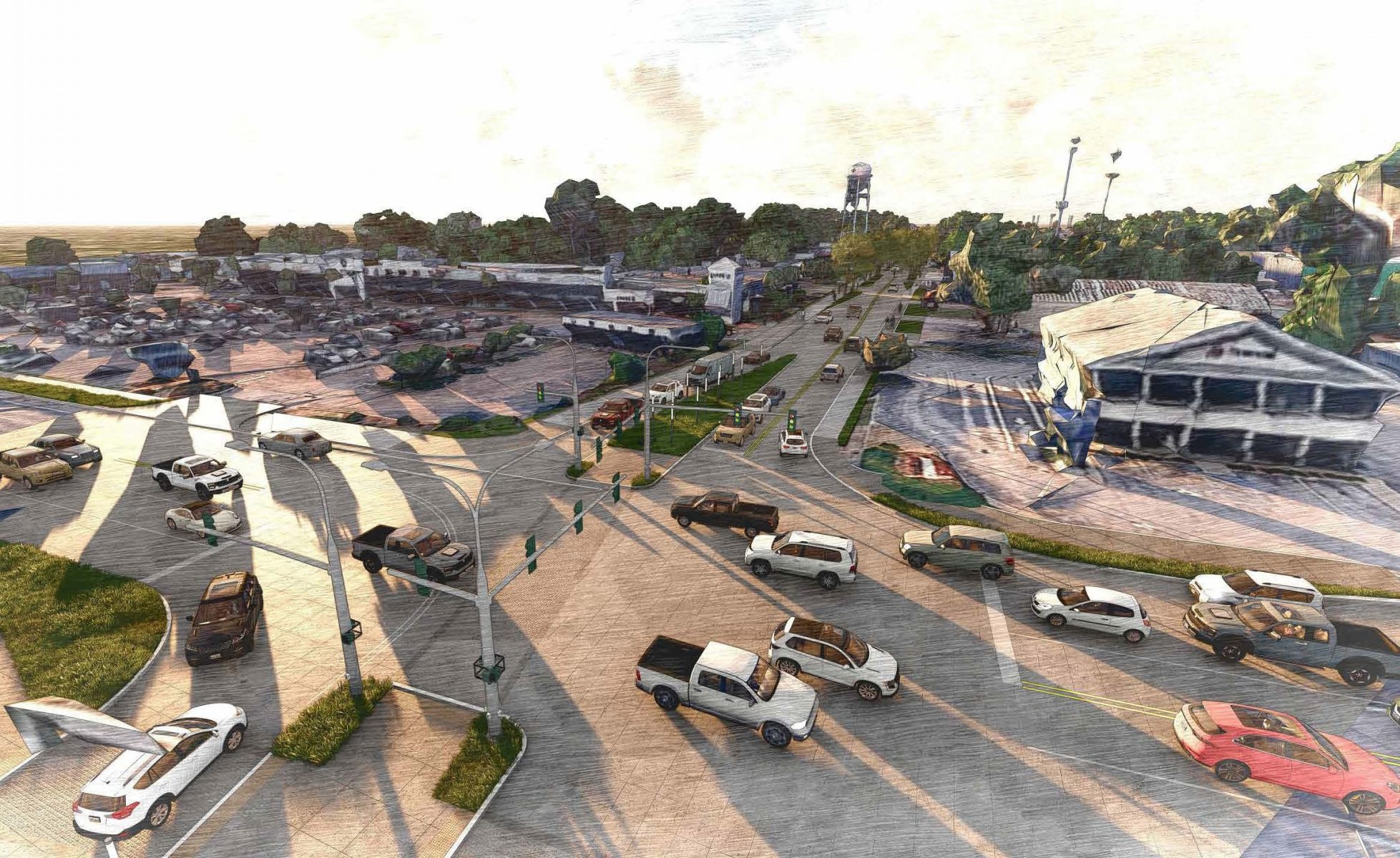
Morning Rendering (facing North-ish at Bertrand & Johnston)
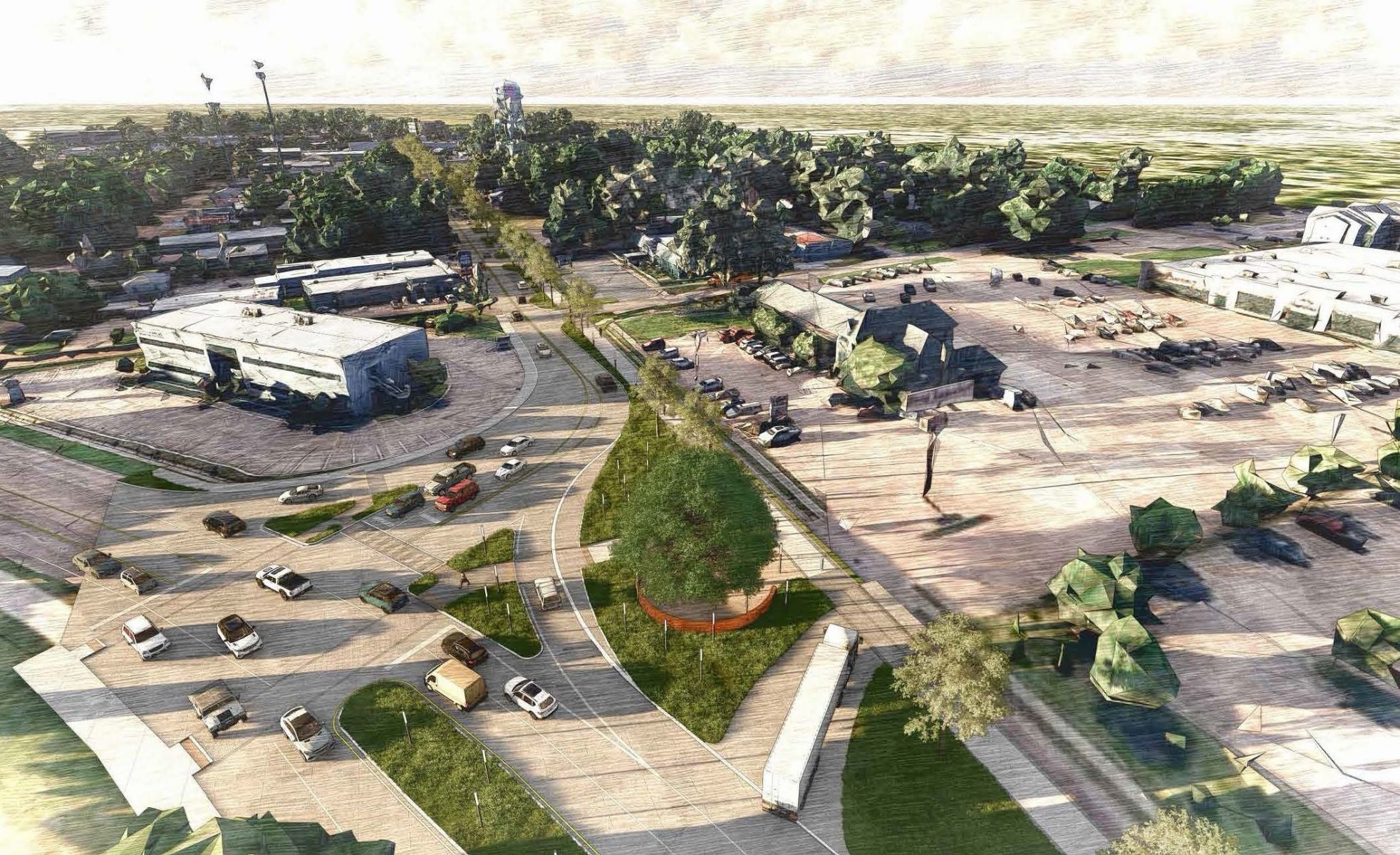
Morning Rendering (facing South-ish at Bertrand & N. College split)
From what’s been shown so far, the addition of pedestrian infrastructure, lighting, drainage improvements, and green space are all solid upgrades that bring a more modern approach to the corridor. The planned streetscape elements and identity features also provide a more intentional look and feel, something Lafayette could use more of from an aesthetic standpoint.
Renderings of the project show a reworked corridor with added medians, defined crossings, and expanded green space, along with updated lighting throughout. The roadway is expected to remain a two-way corridor, but with a more balanced layout that incorporates pedestrian and cyclist use alongside vehicle traffic.
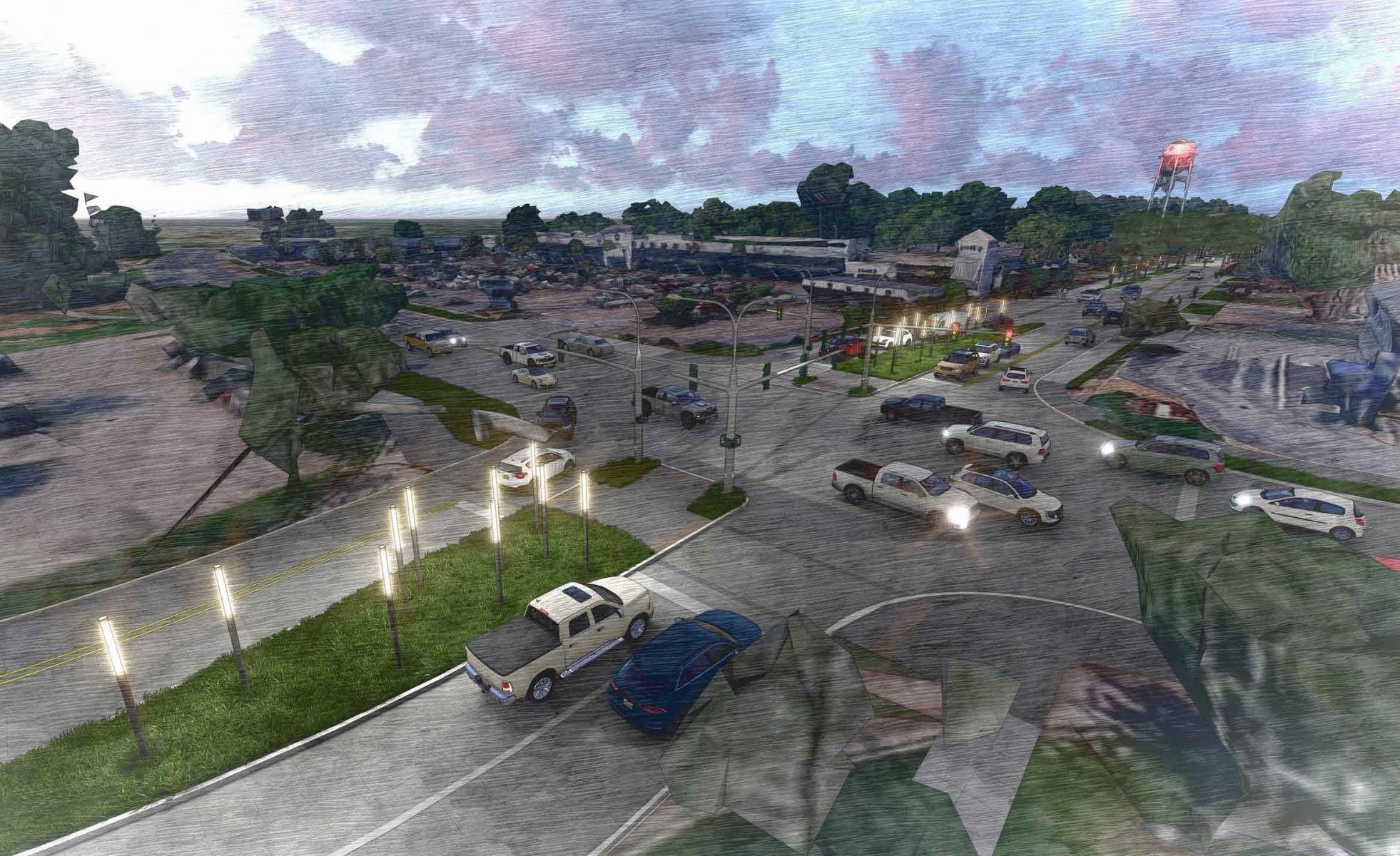
Evening Rendering (Johnston & Bertrand facing North-ish)
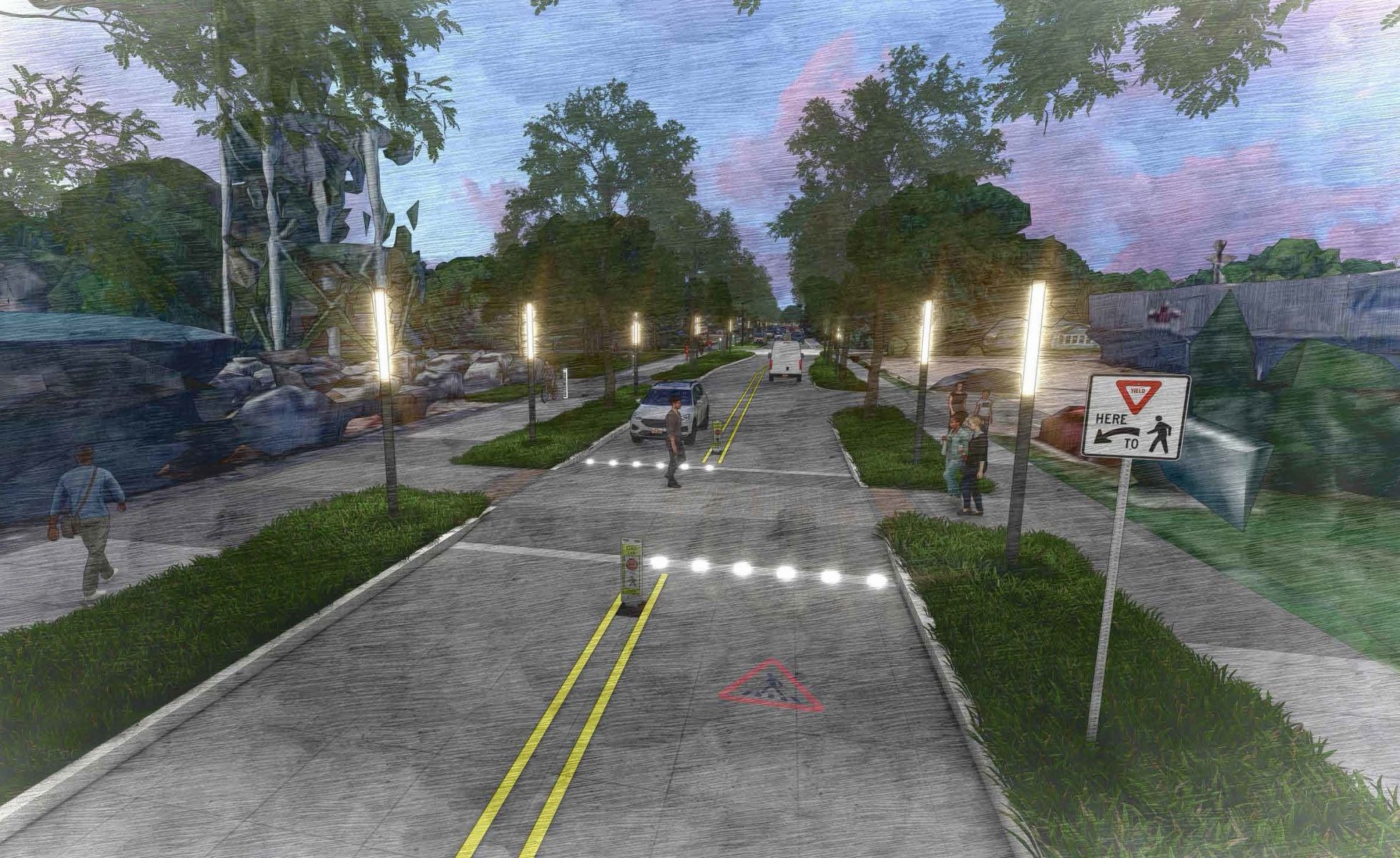
Evening Rendering (looking North on Bertrand)
Typical for Lafayette, any change to roadway design—especially lane configuration—comes with pushback. And boy, does Lafayette like to push back! Lafayette remains a vehicle-heavy market, and recent projects like North University Avenue and the infamous Camellia Boulevard–Johnston Street intersection have shown that adjustments to traffic flow can take time for drivers to get used to, particularly in the early stages after completion. Criticism of the Camellia Boulevard changes is now minimal, considering it’s been over a decade since those updates were made.
As with most major roadway projects locally, initial reactions may be mixed. Over time, similar to other projects, once drivers adapt, the focus gradually shifts towards the overall functionality and usability of the roadway.
Overall, we are hopeful that this roadway improvement is, in fact, an improvement, and we can’t wait to see what it looks like once completed.
More information and updates can be found at https://lafayettela.gov/Bertrand.